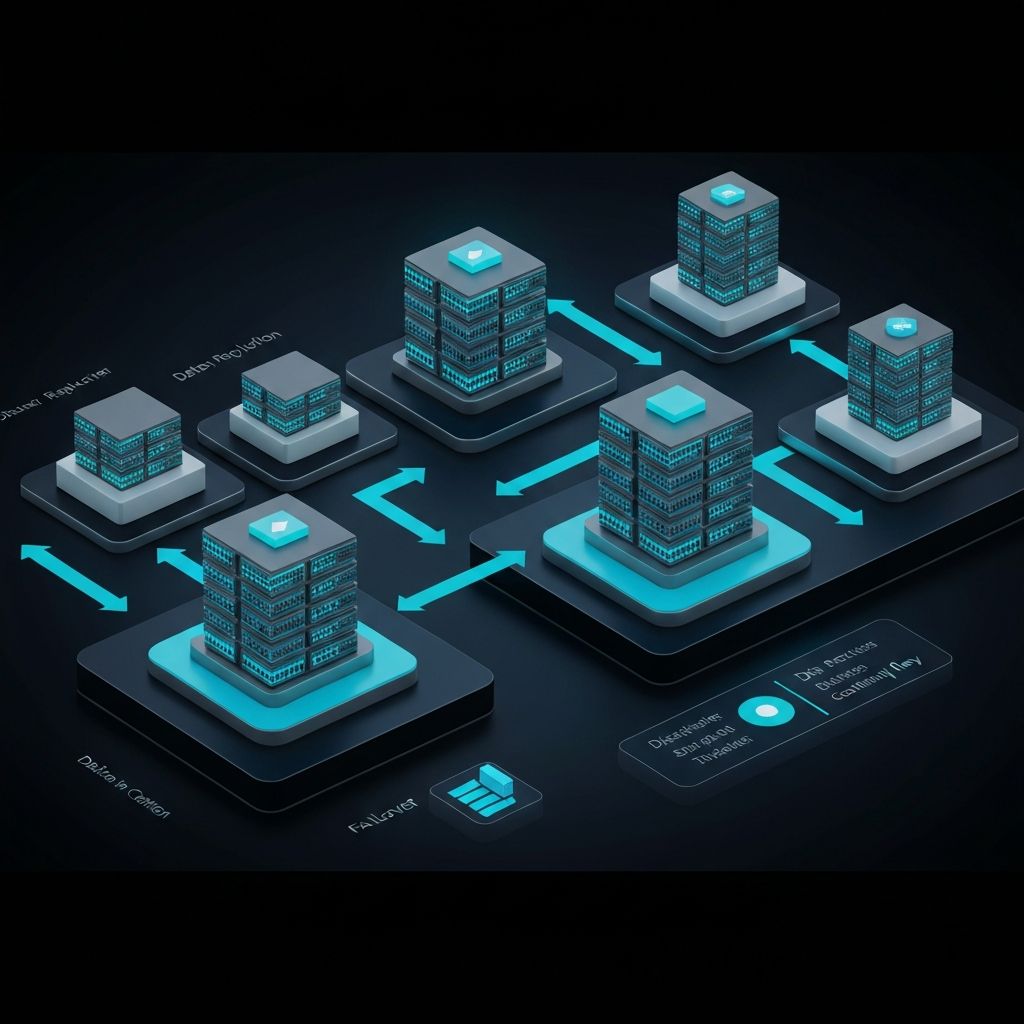
Disaster recovery planning for hybrid infrastructure presents unique challenges. When workloads span on-premises data centers and multiple cloud providers, ensuring business continuity requires comprehensive planning that accounts for diverse failure modes and recovery scenarios.
Understanding Your Recovery Requirements
Effective disaster recovery starts with understanding what needs to be recovered and how quickly. Recovery Time Objective (RTO) defines how long you can tolerate downtime. Recovery Point Objective (RPO) defines how much data loss is acceptable. Different systems typically have different requirements.
Work with business stakeholders to establish realistic RTOs and RPOs for each critical system. These requirements drive technology choices and investment levels. Unrealistic expectations lead to either over-spending or under-protection.
- Define RTO and RPO for each critical system with business input
- Identify dependencies between systems that affect recovery order
- Document manual workarounds for extended outages
- Establish communication plans for different disaster scenarios
Hybrid Recovery Strategies
Hybrid environments require coordinated recovery strategies across infrastructure types. Cloud-based disaster recovery for on-premises workloads offers cost-effective protection. Cross-region cloud replication protects against regional outages. The key is designing cohesive recovery procedures that work regardless of where the original failure occurs.
Consider data sovereignty and compliance requirements when designing cross-geographic recovery. Some regulations restrict where data can be stored or processed, which may limit recovery options.
Testing and Maintenance
Disaster recovery plans that are not regularly tested are disaster recovery plans that will not work when needed. Schedule regular tests ranging from tabletop exercises to full failover drills. Document results and address identified gaps promptly.
Keep plans current as infrastructure evolves. New systems, changed dependencies, and modified business requirements all necessitate plan updates. Assign clear ownership for plan maintenance and review.
Key Takeaways
- 1Establish clear RTO and RPO requirements with business stakeholder input
- 2Design coordinated recovery strategies that work across hybrid infrastructure
- 3Test regularly—untested plans provide false confidence, not actual protection
- 4Maintain plans actively as infrastructure and business requirements evolve