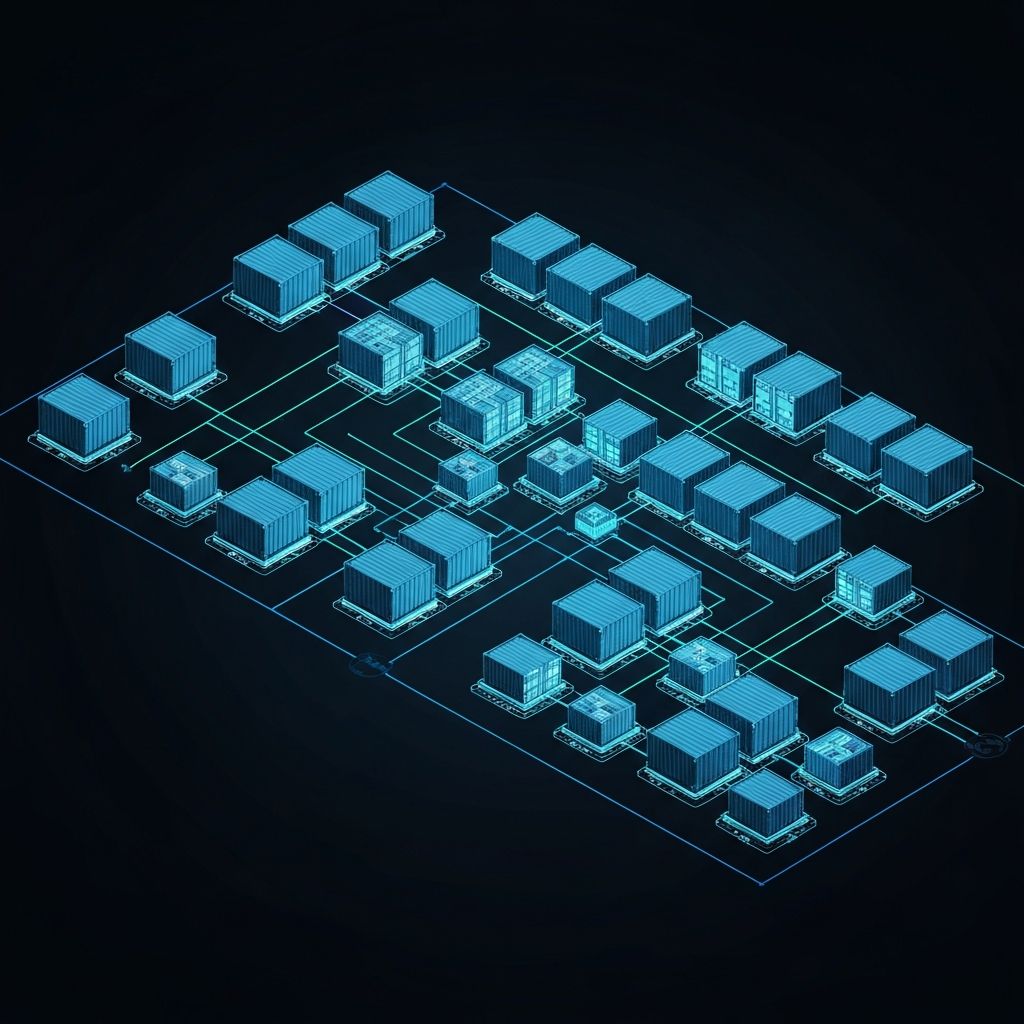
Breaking down when container orchestration makes sense and when simpler solutions might be the better choice for growing companies.
What Kubernetes Actually Does
Kubernetes is a container orchestration platform that automates the deployment, scaling, and management of containerized applications. It's powerful technology that powers some of the world's largest applications.
However, power comes with complexity. Kubernetes introduces significant operational overhead that may not be justified for smaller deployments.
When Kubernetes Makes Sense
Consider Kubernetes if you have multiple applications with varying resource requirements, need automatic scaling based on demand, require high availability with zero-downtime deployments, or have a team with container expertise.
Organizations running dozens of microservices, handling unpredictable traffic patterns, or requiring complex deployment strategies often benefit significantly from Kubernetes.
Simpler Alternatives Worth Considering
For many small businesses, simpler solutions provide better value. Platform-as-a-Service (PaaS) offerings like Vercel, Railway, or Render handle infrastructure complexity while still supporting containerized applications.
Even basic container hosting on managed services like AWS ECS or Google Cloud Run can provide most benefits of containerization without the operational burden of managing a Kubernetes cluster.
Key Takeaways
- 1Kubernetes is powerful but complex—assess if you need that power
- 2Consider PaaS alternatives for simpler deployments
- 3Factor in operational overhead, not just features
- 4Start simple and migrate to Kubernetes when truly needed